EDITORIAL BUYING GUIDE
Sleeping Bags: Warmth Without the Guesswork
Sleeping comfort comes from a complete system: bag, mat, shelter and clothing. This editorial guide explains the tradeoffs behind sleeping-bag specifications. It is not a field test of the illustrated equipment.
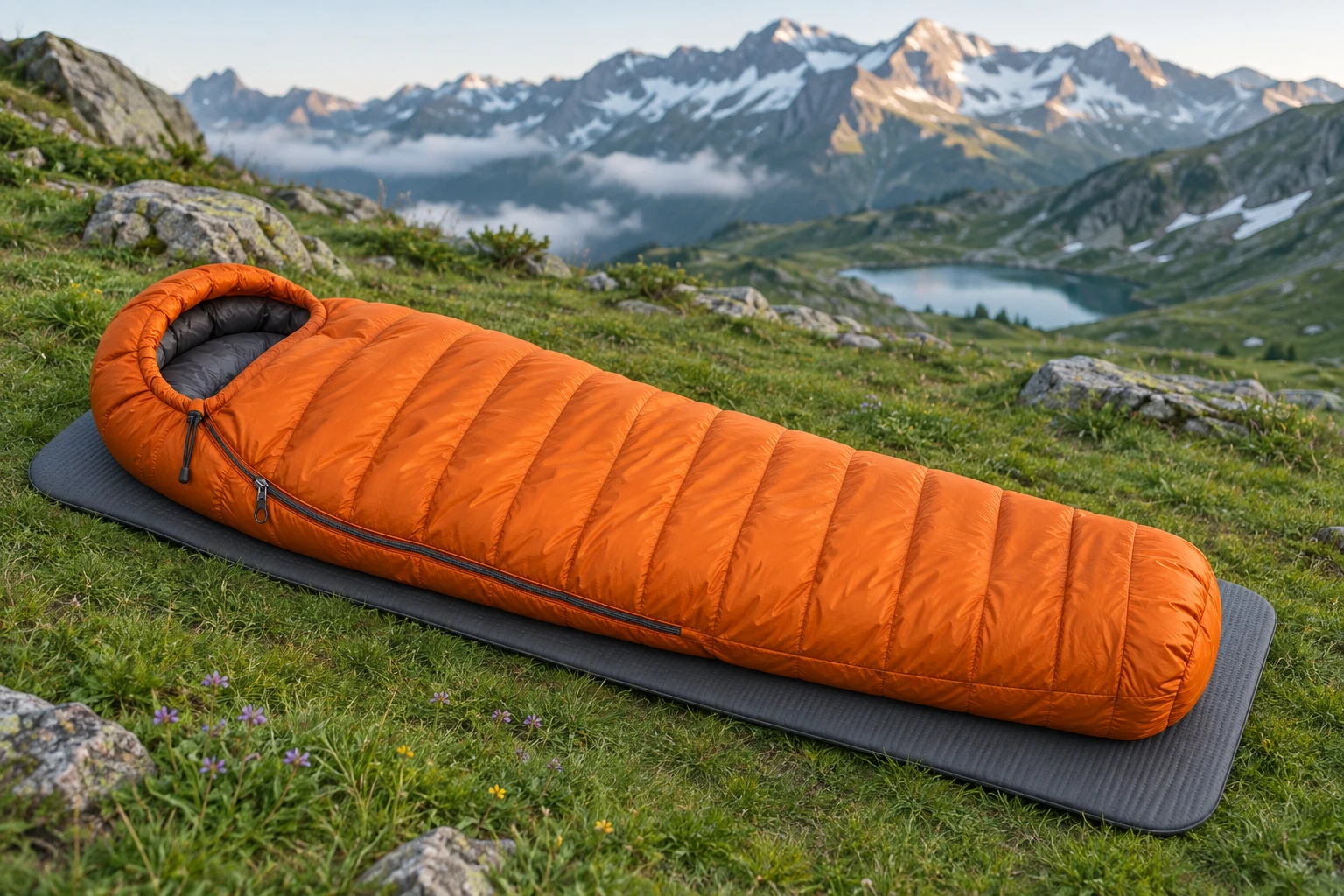
AI-generated illustration of generic equipment. Not a photograph of a tested product.
Read temperature labels carefully
Manufacturers may quote different temperature measures, so compare bags using the same published standard and read what each number represents. A limit figure should not be assumed to mean comfortable sleep for every person. Expected conditions, personal sleep habits and the rest of your setup all matter. Choose with a margin rather than relying on a single optimistic number.
Choose an insulation approach
Down can offer a compact packed size, while synthetic insulation can be an attractive choice where cost and repeated damp conditions are concerns. Construction, fill quantity and fabric also affect the result. Do not compare bags using one insulation statistic alone. Look at the whole design and the conditions for which the manufacturer specifies it.
Check shape and practical details
A close mummy shape reduces unused space but can feel restrictive. A roomier bag may suit people who change position frequently. Check shoulder room, overall length, zipper access and whether the hood adjustment is easy to use. Try the shape with your normal sleeping position before deciding.
Plan storage and care
A bag needs an appropriate sleeping mat beneath it; the shelter and ground conditions also affect comfort. Keep insulation dry during transport. Air and dry the bag after a trip and follow its washing and storage instructions. Avoid leaving it tightly compressed between outings when the manufacturer recommends loose storage.
Pros to look for
- An appropriate shape can reduce unused space.
- A compact bag leaves more room for other equipment.
- Clear standard-based labels make comparisons easier.
Tradeoffs to consider
- Temperature figures do not predict every sleeper’s comfort.
- Very close fits can restrict movement.
- Insulation needs suitable care and dry storage.
Who this guide suits
Weekend campers comparing a first overnight sleep system.
Our conclusion
Compare equivalent temperature labels, check physical fit and budget for a suitable mat. A bag is one part of the sleep system, not a complete warmth guarantee.
Build the rest of your kit
Consider the whole load: shelter, carrying system and footwear affect one another. These related guides explain the other parts of a weekend setup.
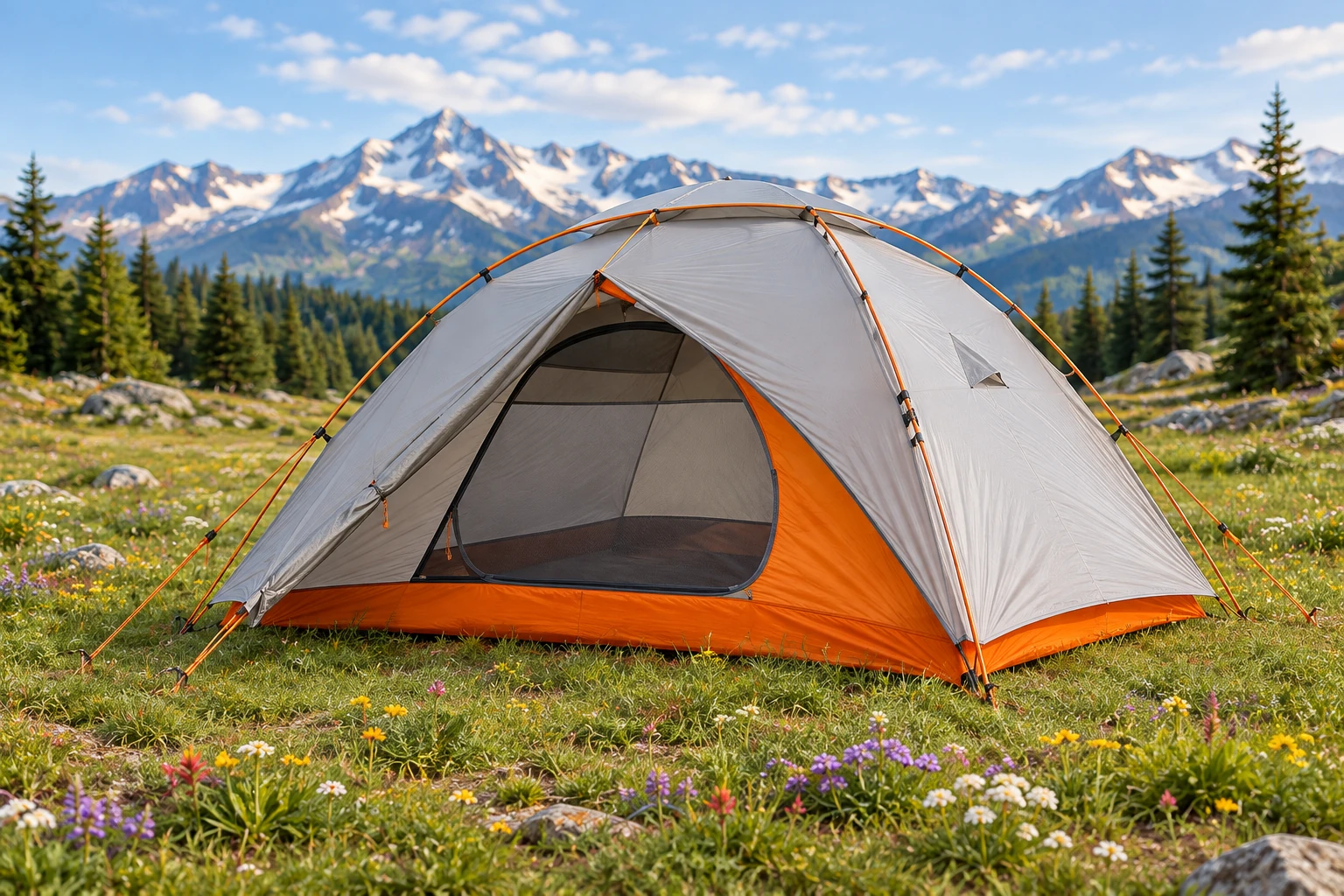
Two-Person Tents: Space, Weight and Weather
How to assess usable space, ventilation and weather protection before choosing a backpacking shelter.
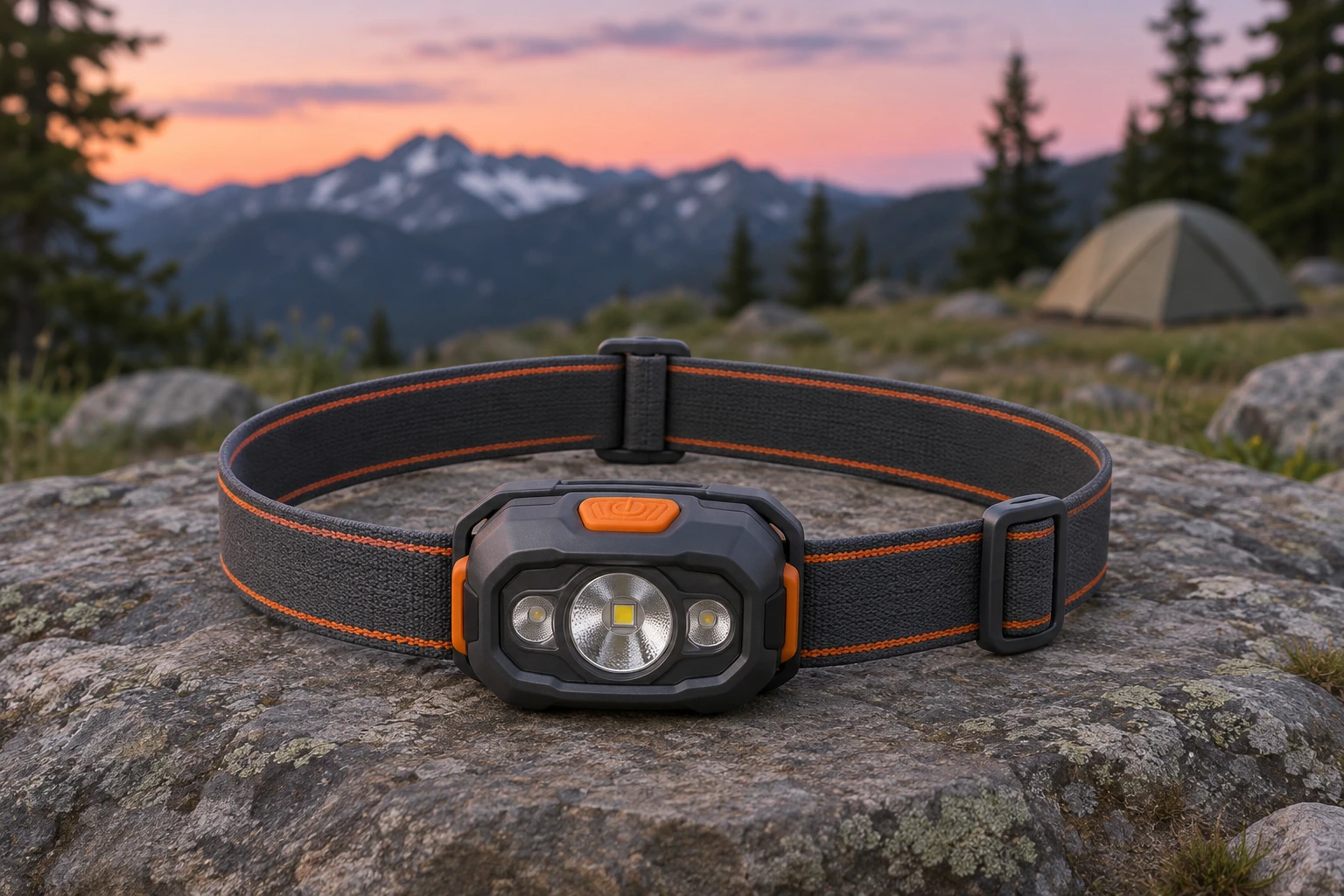
Headlamps: Usable Light, Controls and Power
Evaluate beam shape, battery options and simple controls before your next overnight trip.
How we approach reviews
Published by xiaoheilong studio. These guides are research-oriented editorial explanations of equipment design, not laboratory or field tests. We do not assign performance scores without test evidence. Check the manufacturer’s current specifications and instructions for any model you are considering. No prices, discounts or product availability are asserted.
Questions or corrections? yoyohappy@cc.com.