EDITORIAL BUYING GUIDE
Two-Person Tents: Space, Weight and Weather
A two-person label is only a starting point. Floor shape, wall slope and entrance design determine how a shelter feels after a wet day. This guide offers an editorial comparison framework, with no claim of hands-on testing.
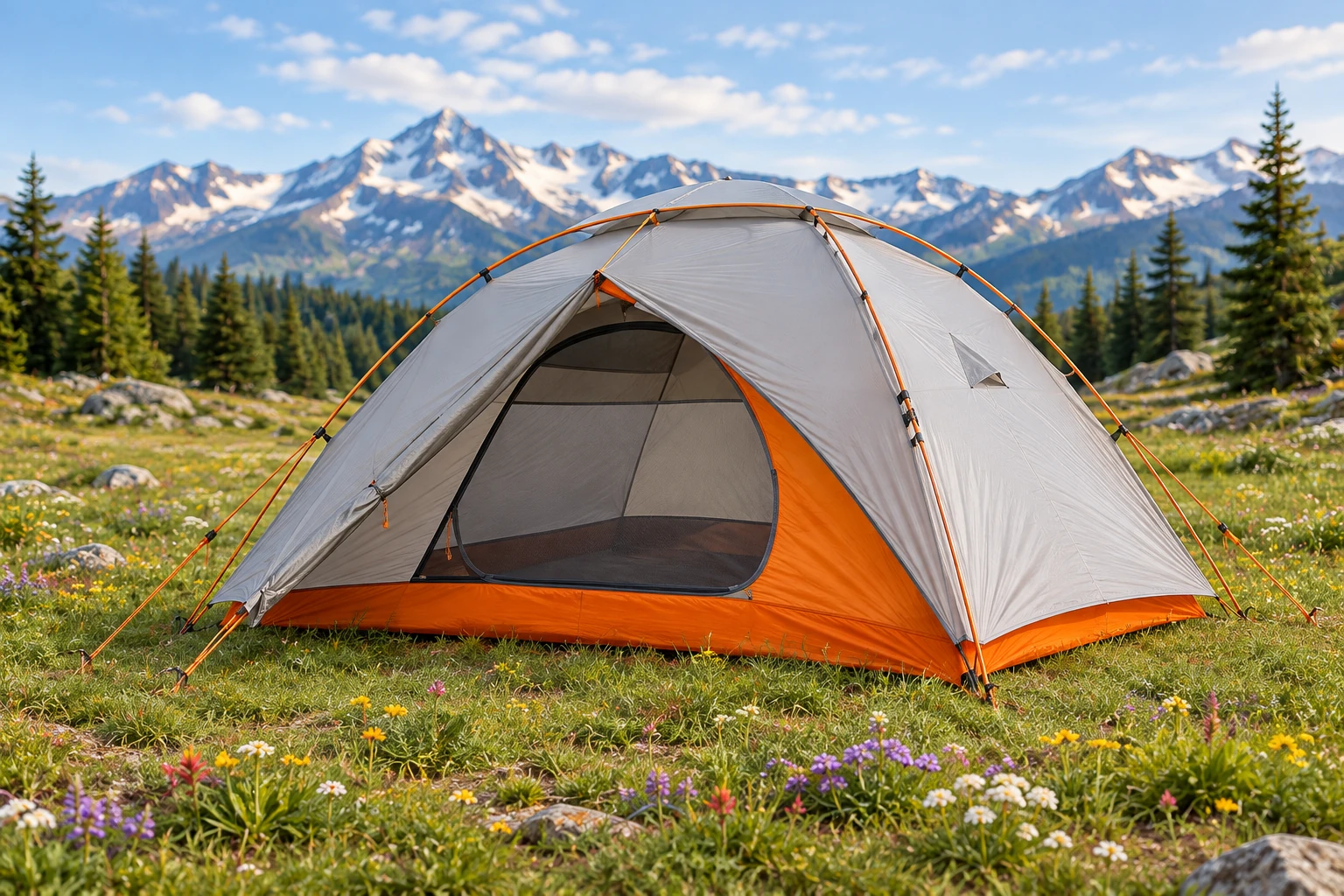
AI-generated illustration of generic equipment. Not a photograph of a tested product.
Check usable space, not just floor area
Compare your sleeping mats against the floor dimensions and check the width at both ends. Sloping walls can reduce headroom even when the floor looks generous. Two doors can make shared use easier, while vestibules provide sheltered storage. They do not replace a fully enclosed dry room.
Understand the complete carried weight
Compare like with like: some advertised weights exclude stakes, storage bags or optional accessories. Include every part needed for your route and pitch conditions. Splitting components between two people can help distribute a load. Do not leave necessary anchors behind merely to meet a weight target.
Look at ventilation and pitching
A double-wall design separates the inner living area from the fly. Vent placement, pitch tension, site choice and weather all influence condensation. Practice pitching before the first trip and check whether the inner stays reasonably sheltered during setup. A freestanding structure still needs suitable anchoring.
Match shelter to the expected conditions
Choose equipment suitable for the season and forecast. A general backpacking shelter is not a substitute for a mountaineering tent in severe wind or snow. Inspect seams and zippers, follow care instructions and dry the shelter fully before storage. Check local camping rules and choose durable permitted surfaces.
Pros to look for
- Two entrances can improve shared access.
- Vestibules keep some muddy equipment outside the inner.
- Double-wall designs offer ventilation options.
Tradeoffs to consider
- Lightweight fabrics need careful handling.
- Nominal capacity can feel tight with wide sleeping mats.
- Ventilation reduces but does not eliminate condensation.
Who this guide suits
Two campers planning ordinary three-season trips who can match shelter specifications to their route.
Our conclusion
Make a shortlist using complete weight, real sleeping dimensions and practical pitch design. Then verify the manufacturer’s intended conditions and learn the pitch before leaving home.
Build the rest of your kit
Consider the whole load: shelter, carrying system and footwear affect one another. These related guides explain the other parts of a weekend setup.
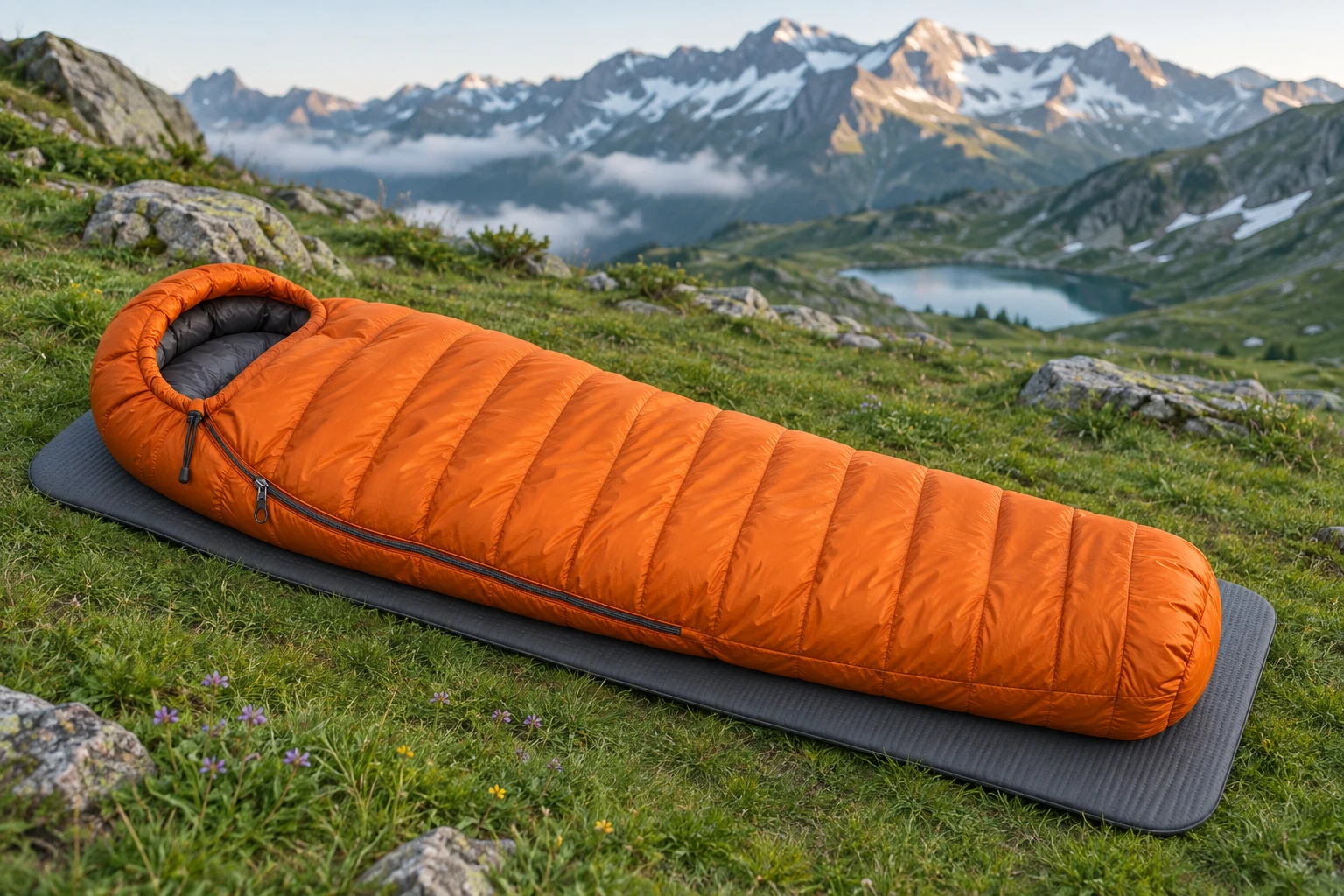
Sleeping Bags: Warmth Without the Guesswork
Compare insulation, fit and packed size to build a more comfortable overnight sleep system.
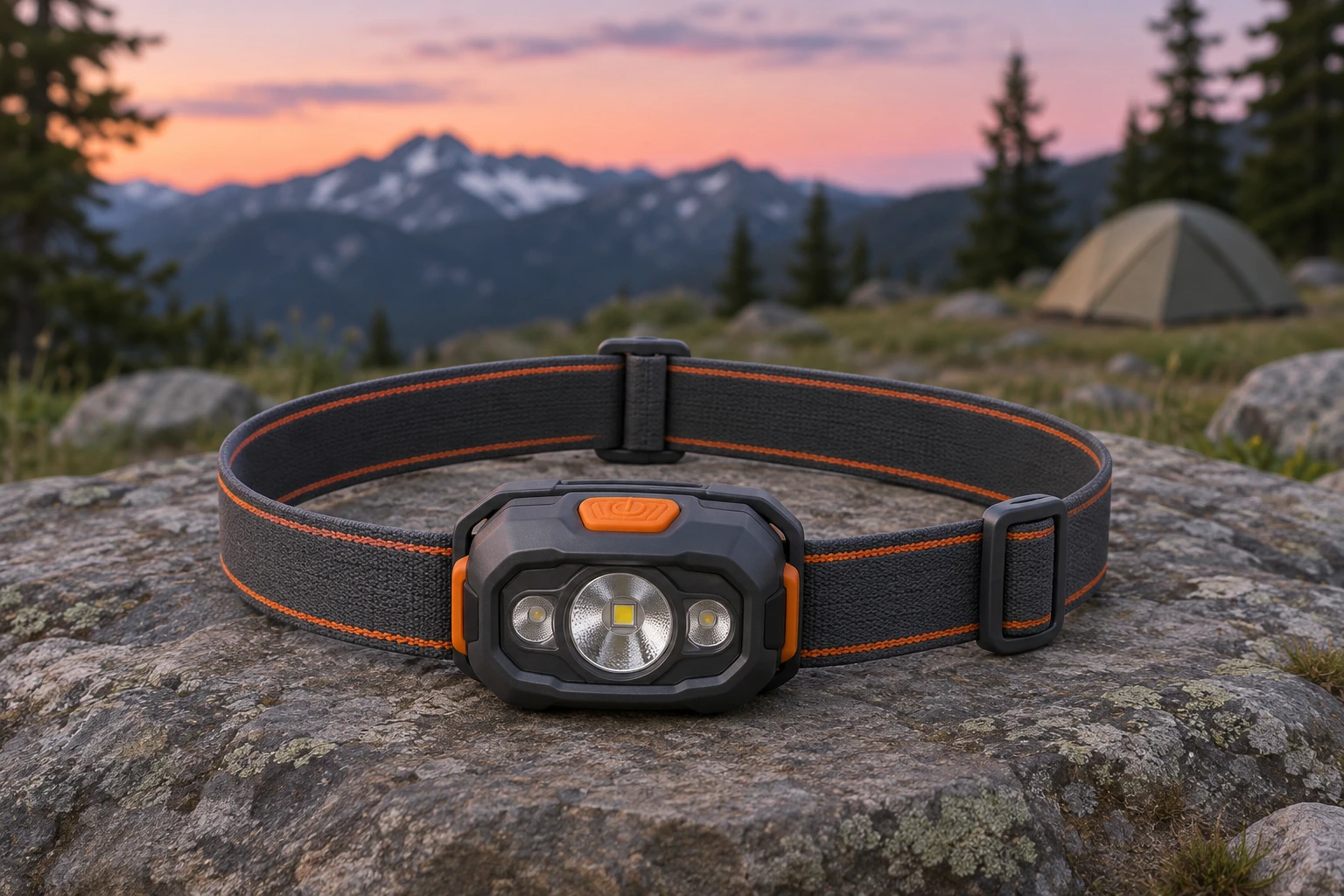
Headlamps: Usable Light, Controls and Power
Evaluate beam shape, battery options and simple controls before your next overnight trip.
How we approach reviews
Published by xiaoheilong studio. These guides are research-oriented editorial explanations of equipment design, not laboratory or field tests. We do not assign performance scores without test evidence. Check the manufacturer’s current specifications and instructions for any model you are considering. No prices, discounts or product availability are asserted.
Questions or corrections? yoyohappy@cc.com.